20,000: The weekly output target for Tesla's new robot line
Tesla is ramping up Optimus production in Fremont to hit high-volume targets, using an internal academy to train the machines for real-world tasks.
By Lauren Collins ·
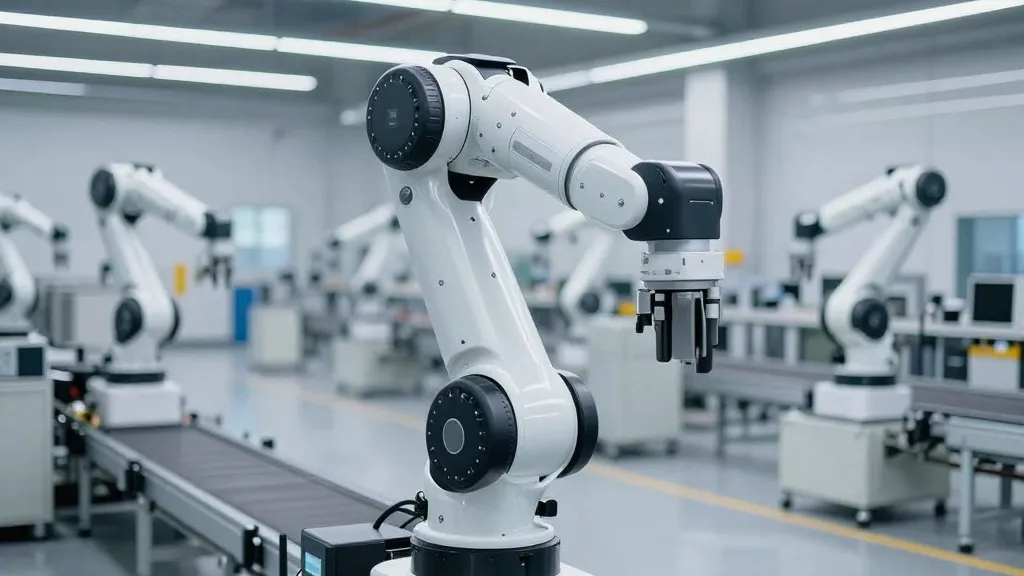
Tesla is currently manufacturing Optimus robots on a high-volume line inside its Fremont factory, with executives stating that the units coming off this assembly belt meet the quality standards required for commercial sale. In its third-quarter shareholder letter, the company confirmed that these are the first production-quality bots it has built, effectively proving that the current manufacturing process is suitable for a product intended for the general market rather than just prototypes.
This new production line occupies the space previously used to build the Model S and Model X. Tesla cleared out the old vehicle equipment in just 46 days this spring to make room for a setup capable of handling one million units annually. During a recent earnings call, CEO Elon Musk noted that most of the necessary equipment is already in place. He indicated that output is expected to climb toward roughly 20,000 robots per week as the line reaches full capacity, a pace he described as following a classic S-curve where initial growth is slow before accelerating.
A significant portion of the recent discussion focused on how the company will train these robots without the massive fleet of cars that provides data for its autonomous driving software. Musk explained that because Optimus lacks a vast existing fleet, Tesla is creating an "Optimus Academy." In this setup, between 10,000 and 20,000 robots will practice a wide variety of tasks. Every unit produced on the Fremont line will serve as a source of training data, feeding what the robots learn into the next version of the model to improve AI, electromechanical design, and reliability.
The company plans to finish refining these core systems by the end of next year. Once that work is complete, Tesla intends to start delivering Optimus units to outside companies. The target market includes businesses looking for help with dangerous, repetitive, or around-the-clock jobs. Additionally, Tesla is preparing to integrate its AI5 chip into the robots next year, which should further enhance their processing capabilities.
Musk also took a moment to critique rival humanoid robots, noting that many demonstrations rely on preprogrammed motions rather than true AI-driven behavior. He promised that a new video showing an Optimus completing tasks via AI rather than scripted routines would be released within one or two months. This move is designed to show that the hardware can hold up in the real world, not just in a controlled demo environment.
The supply chain is also scaling up to support this expansion. In September, Tesla certified Tuopu, Joyson, and Sanhua as mass production partners for Optimus components. Meanwhile, a much larger factory is rising at Giga Texas, where drone footage shows the steel frame nearing completion. Musk has set a long-term target of 10 million robots per year for that facility. Executives noted that production costs are trending toward the expected manufacturing cost of the Cybercab, indicating the robot is engineered for volume from the start. However, the hands remain the toughest design element, and that is where much of the current engineering effort is concentrated.
Source: Teslarati