The iPod's 25-Year Anniversary: How Apple's $399 Card-Size Device Changed Music
A quarter-century after its launch, the original iPod's 5GB storage and FireWire speed were marketed as a revolutionary solution to the fragmented portable music market.
By Jayden Sweiler ·
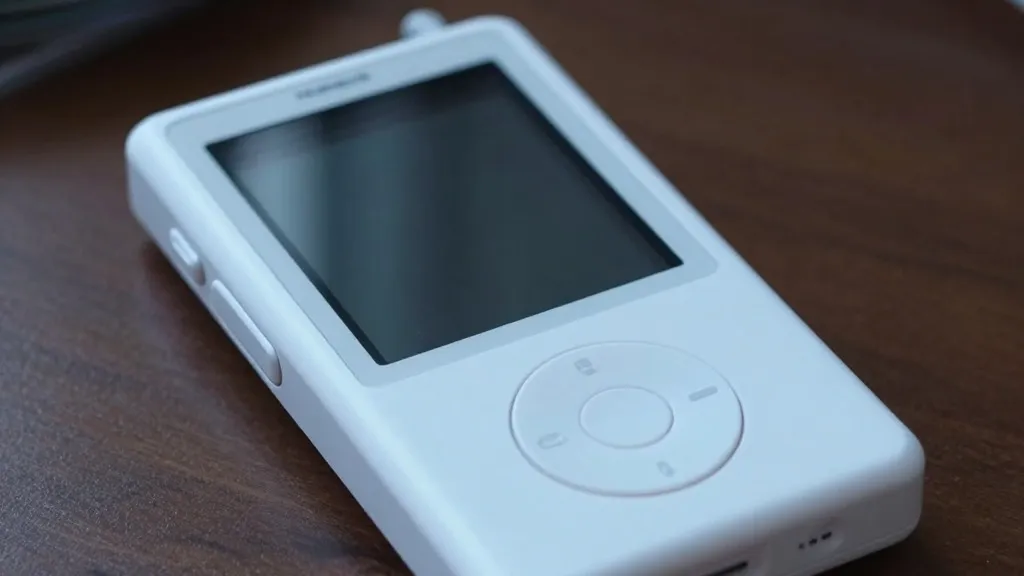
Twenty-five years after its initial unveiling, the original Apple iPod remains a focal point for tech historians and skeptics alike. While the device is now largely a footnote in the smartphone-dominated era, its launch marked a specific moment when Apple attempted to define the portable digital music landscape. The anniversary serves as a reminder of how the company positioned a $399 gadget as a necessary addition to the consumer's digital ecosystem, a claim that required significant justification at the time of release.
The financial and technical specifications of the device were central to its value proposition. At a price point of $399, the player offered 5GB of storage, a capacity that Apple calculated could hold approximately 1,000 songs. This figure was based on typical pop-length MP3 files encoded at 160Kbps. The hardware relied on a 1.8-inch hard drive, measuring just 0.2 inches in thickness, which allowed the entire unit to fit within dimensions of 2.4 by 4 by 0.78 inches. Weighing 6.5 ounces, the device was marketed as being lighter than most mobile phones of that era, a design choice driven by Toshiba's ultra-compact drive technology.
Steve Jobs, who led Apple during this period of corporate revival, spearheaded the product's introduction. Having already established the Mac OS X, iBooks, and iMacs in the wake of the dot-com bubble burst, Jobs viewed the iPod as a critical component in a broader strategy. He envisioned the Mac as the central hub for a user's digital life, connecting cameras, camcorders, and portable players. The CEO argued that music was a massive target market lacking a clear leader, a gap Apple intended to fill despite the presence of established competitors.
The competitive landscape in 2001 was crowded. Companies such as Sony, Creative, and Sonic Blue already offered portable digital music players. Jobs acknowledged these rivals but suggested they had not yet found the correct formula for the market. At the time of the announcement, consumers were choosing between CD players, MP3 CD players, flash-based players, and hard disk-based jukebox players. Apple selected the hard disk approach, believing it offered the optimal balance of capacity and cost for a mainstream product launch.
The device's primary selling point was its speed and connectivity. The iPod featured a FireWire 400 connection, which Apple touted as the first and only music player to utilize the interface. Jobs claimed this connection allowed for the transfer of an entire CD's worth of data in five to 10 seconds, a stark contrast to the approximately five minutes required for USB transfers of the same data. Filling the device with 1,000 songs was estimated to take 10 minutes via FireWire, compared to five hours for a USB-based competitor. This speed was presented as a critical user experience advantage.
Beyond raw transfer rates, the player included specific functional features designed to enhance usability. It offered 20-minute skip protection and supported standard audio formats including MP3, WAV, and AIFF. Power management was handled by a rechargeable lithium-polymer battery, providing 10 hours of continuous playback. Apple stated that a depleted battery could be recharged to 80 percent capacity within one hour. The interface featured a single-hand control scheme with a piezoelectric clicker for tactile feedback, allowing users to navigate by playlist, artist, or song.
The integration with Apple's software ecosystem was the third major pillar of the launch. The device debuted alongside iTunes 2, which introduced features such as MP3 CD burning and Auto-Sync. This Auto-Sync function ensured that music libraries curated on a Mac were automatically updated on the iPod whenever the device was connected for charging or data transfer. The iPod also functioned as an external FireWire hard drive, adding a secondary utility to its primary purpose as a music player.
The longevity of the product line extended well beyond its initial hype. The first iPhone did not arrive until early 2007, more than five years after the iPod's debut. The two devices coexisted in Apple's product stack for over a decade, though the iPod's relevance gradually diminished as smartphones matured. The final model, the 7th-generation iPod Touch, was released in May 2019. Although the line was left without major updates for several years, it was not officially discontinued until May 2022, marking the end of a product cycle that had once been central to Apple's identity.
Source: Tom's Hardware