Military K-9s Get a Tech Upgrade: New Startup Aims to Engineer Superior Working Dogs
A new venture backed by $200 million plans to use genetic editing and advanced gear to create more resilient dogs for U.S. defense and law enforcement.
By Jacob Leary ·
For the first time, U.S. military and law enforcement agencies may no longer need to rely solely on traditional breeding methods to secure their canine partners. A new startup, Warhound, has emerged from stealth mode with a bold plan to genetically engineer dogs specifically for high-stakes duties. The company raised $200 million in a funding round that values the venture at $1.2 billion, signaling significant investor confidence in this hybrid approach to working dog creation.
The initiative addresses a growing concern within the U.S. defense sector: the dwindling domestic supply of fit working dogs. According to Warhound’s launch data, over 80% of the military’s current working dogs are imported from Europe, and fewer than half of those are deemed fit for service. This dependency on foreign sources has prompted the creation of Warhound, a project born from the collaboration between Ben Lamm of Colossal Biosciences and Palmer Luckey of Anduril.
Lamm explained that he first met Luckey at a conference about a year ago, where Luckey expressed a desire to do more for the military’s canine workforce. Subsequent research revealed that many working dogs fail training due to inherited health issues such as poor eyesight, hip dysplasia, or a high propensity for cancer. Warhound aims to eliminate these predispositions by editing the genes of top-performing breeds, such as Belgian Malinois and German Shepherds, to enhance traits like speed, agility, and olfactory sensitivity.
The company’s strategy involves taking cell lines from these elite breeds, placing them in a biobank, and using genetic editing to add beneficial genes while removing harmful ones. This process is intended to create a "new type of dog" with characteristics specifically suited for demanding missions. The first batch of these engineered dogs is currently being cloned and incubated, with births expected in early 2027 and potential entry into service within two years.
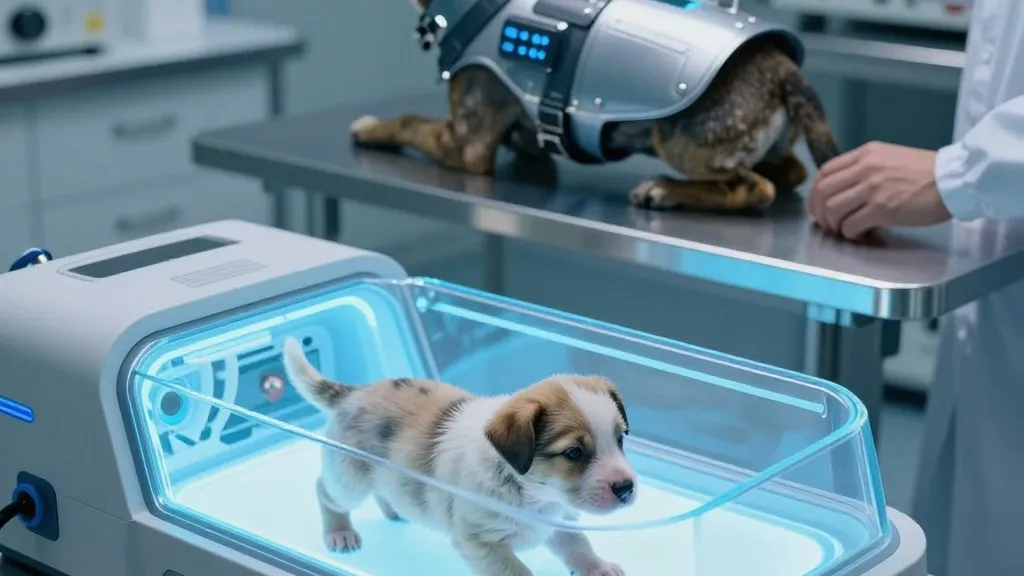
To complement the biological enhancements, Anduril will provide the dogs with specialized hardware and software. This includes protection vests and goggles equipped with data sensors that feed real-time information to handlers. The goal is to improve situational awareness, allowing humans to better understand what the dogs are experiencing in the field. Lamm noted that these technological additions make the dogs safer and healthier "on top of the dog, not in the dog," which in turn better protects the human handlers.
The cloning process will be handled by Viagen, another company under the Colossal Biosciences umbrella, which utilizes AI and gene cloning technologies. Colossal, known for its de-extinction efforts like reviving the mammoth, will license its technology to Warhound. While Luckey is a partner in the venture, he does not hold equity; instead, Colossal owns the stake and supports the business through technology licensing.
Warhound intends to sell these engineered dogs to the Department of Defense, various military service groups, police forces, and other first responders. The company has already briefed multiple government groups on its plans. Regarding civilian safety, Lamm assured that each dog will undergo the same rigorous training as any standard military working dog and will be managed by the purchasing agency.
The American Humane Society is guiding the project to help certify the training programs for the new dogs. The organization stated that it looks forward to working with Warhound and Colossal to ensure the animals are treated humanely. Additionally, there is a hope that when these engineered dogs retire from service, they will enter the Society’s Military Working Dog Reunification Program to find permanent homes.
Source: TechCrunch